
Whoa!
I landed on Solana this week and got curious. The browser wallets are fast but the ecosystem still feels messy sometimes. Initially I thought all wallets were interchangeable, but then digging into transaction prioritization, cache handling, and extension permissions made me change my mind. My instinct said trust but verify, and I started testing extensions myself.
Seriously?
Phantom has become the go-to choice for many users on Solana networks. It integrates with DeFi dapps smoothly and supports NFTs in a way that feels native to collectors. On one hand its UI is approachable and the mobile-desktop sync is decent, though actually the permissions model and transaction memo details can be confusing to newcomers which is a real UX problem. I poked around settings, tried swaps, and simulated failed transactions to see how it behaves.
Hmm…
The browser extension model brings convenience, speed, and also some security risk. Browser APIs can expose sensitive keys if developers aren’t careful, and somethin’ felt off about how some sites requested broad access. Actually, wait—let me rephrase that: extensions are fine when they isolate signing and keep strict permission scopes, but when too many sites request broad access you end up with potential blindspots. So I looked at how Phantom requests permissions during installs and connections.
Wow!
Installing a wallet extension should feel simple and be obviously secure to a nontechnical user. I tracked the entire flow from download to the first signature request. Initially I thought the Chrome Web Store prompt was enough, but then I noticed extra permission dialogs and small UI nudges that could mislead people into over-granting rights, and that worried me. This part bugs me because many users just skim through permission warnings and click accept; it’s very very common.
Here’s the thing.
If you want to try Phantom, get it from the official source and verify carefully. I’m biased, but I prefer wallets that balance UX with clear consent steps (oh, and by the way… read the tiny permission text). On one hand you want quick swaps and nice NFT galleries, though actually, if the extension can’t clearly show what it’s signing, you should pause and verify on a hardware wallet or a dedicated safe environment. If you decide to install, check reviews and verify the publisher before clicking install.
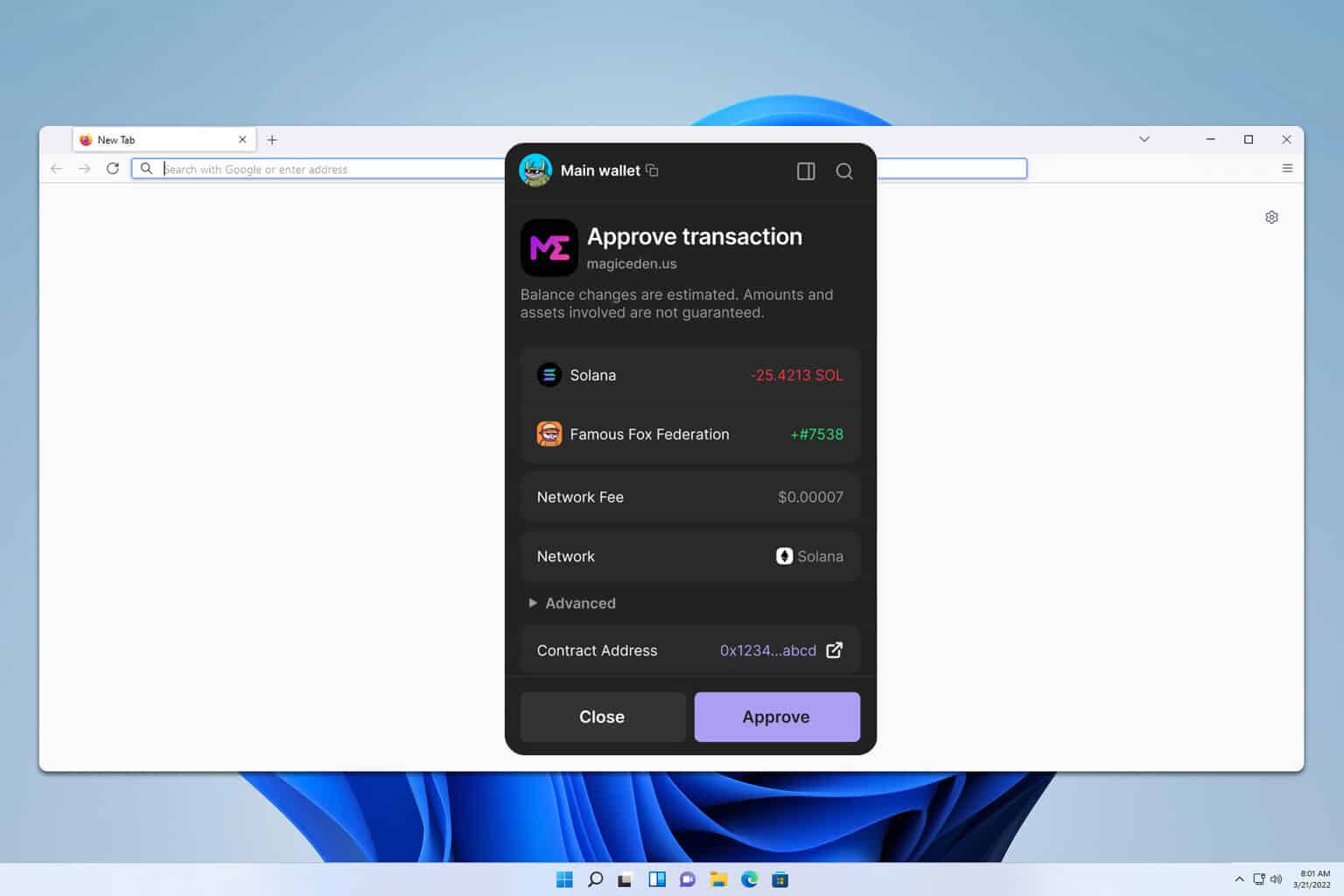
Get Phantom safely
Okay, so check this out—
Grab the extension only from trusted pages and official distribution channels. For a straightforward way to find the official installer, see the phantom wallet download extension and follow the publisher details closely. Initially I assumed clicks from search results were fine, but actually malicious clones and spoofed listings show up, so verifying the URL and checking the extension’s install count and developer info matters a lot, especially if you live in a region seeing a spike in phishing scams. Also, enable your browser’s extension protections and consider a hardware wallet for large holdings.
My instinct said something.
DeFi activity on Solana benefits from its high throughput and very low transaction fees. Phantom supports token swaps, staking flows, and direct program interaction for advanced users. However, the wallet’s design choices—like how it handles token approvals, authority delegation, and cross-program invocations—affect safety, and you should understand those mechanisms before connecting to random dapps, because permission grants can be persistent. I experimented with a few permission combinations and noted strange behaviors in some leftover approvals.
Hmm…
If something felt off, first disconnect the dapp and revoke site access in the wallet settings. Clear your extension cache, update the extension, and reboot the browser to reset weird states. If transactions fail or signatures look odd, export your transaction data, compare with block explorers, and reach out to support channels or forums because haste leads to mistakes and that can cost you real money. I’m not 100% sure about every corner case, but these steps helped me recover from a couple of hangs without losing funds.
Alright.
Using a Solana browser wallet like Phantom is exciting and useful for interacting with DeFi and NFTs quickly. It unlocks DeFi immediacy and brings NFTs into the browser with minimal friction. On one hand this convenience accelerates adoption, though actually we must respect the security trade-offs and practice hygiene—small habits like verifying permissions, using hardware backups, and keeping software up to date prevent big losses. So try it if you want, be careful, and enjoy what Solana has to offer.
FAQ
Is Phantom safe for beginners?
Yes, it’s designed to be user-friendly, but safety depends on user behavior; verify installs, read permission prompts, and avoid connecting to unknown dapps. Consider starting with small amounts until you understand how approvals and signatures work.
Should I use a hardware wallet with Phantom?
For larger balances absolutely—using a hardware wallet adds a strong layer of protection by keeping private keys offline. It’s a small extra step that can save you from major losses.
What if I accidentally approved a malicious dapp?
Revoke its access from your wallet settings immediately, check recent transactions on a block explorer, and move funds to a new address if you suspect compromise. Report the dapp and seek help from community channels if needed.