
Whoa! I started digging into MEV protection and wallet tooling. My first impression felt like excitement mixed with a worry. Initially I thought MEV only affected exchanges, but then I realized front-running and sandwich attacks target everyday DeFi users through wallets and RPCs. So I built a checklist and started testing wallets, somethin’ like that.
Seriously? Most wallets claim they protect users but rarely simulate transactions. They only show a gas estimate and call it a day. That model fails when MEV bots reorder or insert transactions, because the post-facto gas figure doesn’t capture ordering risk or state changes that happen between submission and mining. This matters when you’re moving large positions or interacting with complex pools.
Hmm… Transaction simulation matters more than ever for DeFi users. Simulating tells you the on-chain state effects, approval steps, and possible reverts. A proper simulator will replay the exact callstack against a given block or mempool snapshot, and then show whether a sandwich attack, slippage event, or revert is possible. Without that, you are essentially guessing about execution risk.
Here’s the thing. MEV protection isn’t a single toggle you can flip. There are layers: RPC selection, private relays, gas pricing, and trade simulation. On the RPC layer you reduce exposure by avoiding public mempools and using services that batch or forward transactions privately, which reduces the window for bots to observe and sandwich. At the wallet level, simulation and permission granularity matter.
Whoa! I tested a few wallets in the wild and documented failures. Some wallets forwarded transactions through public nodes, exposing them to frontrunners. Others simulated trades but used stale state snapshots or didn’t model pending mempool interactions, so the simulator returned a false sense of security, very very misleading for complex interactions involving flash loans. That part really bugs me a lot, and I think users deserve better.
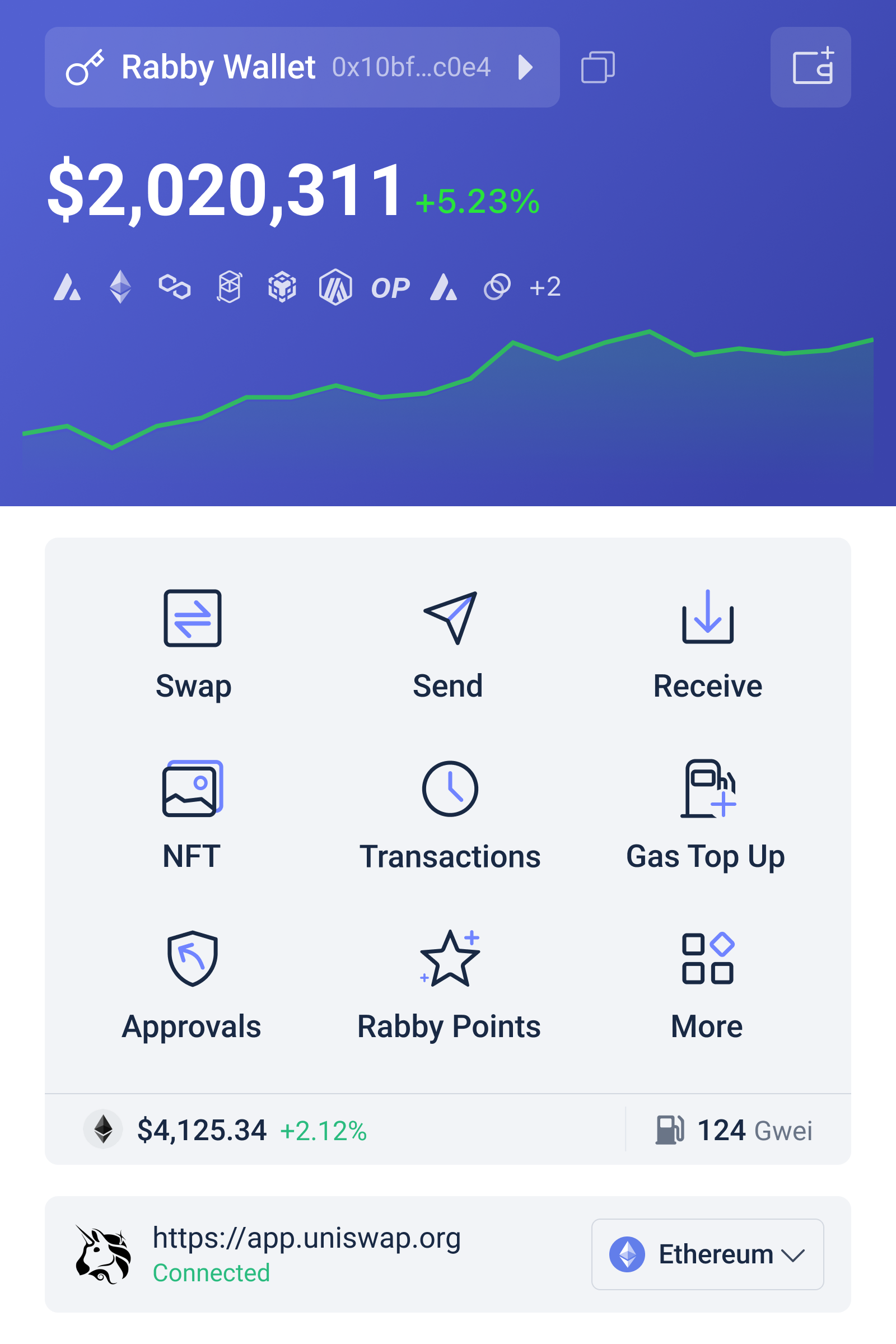
Really? Portfolio tracking seems like a solved problem at first glance. But most trackers ignore pending transactions and on-chain approvals. A dashboard that only pulls confirmed blocks will miss value locked in pending bridged transfers or trades awaiting settlement, resulting in inaccurate NAV calculations right when you need them most. So if you’re rebalancing or using leverage, you want pending-aware numbers.
My instinct said… Initially I thought a separate portfolio app would be enough. Actually, wait—let me rephrase that, I realized integration at the wallet layer is superior. When the wallet can simulate a transaction, check allowances, and show real-time exposure, it closes the feedback loop and prevents costly mistakes that a disconnected tracker cannot catch. So I started favoring wallets with deep simulation features.
Why a wallet-first approach matters
One tool that stands out for me is rabby. It bundles transaction simulation, privacy-minded RPCs, and clear permission handling. Because it simulates before you sign and can route through better relays, you remove several attack vectors, and the UX nudge reduces risky behavior among casual users. I’m biased, but I think that kind of integration genuinely matters for safety.
Really? Will simulation stop all losses? No, but it reduces surprises. On-chain risk is probabilistic and depends on liquidity, mempool activity, and miner behavior. Practically, combine simulation with private RPCs, careful allowance handling, and staged signing when you can, because layers of defense compound and catch edge cases that a single feature misses. Okay, so check this out—start with a wallet that simulates transactions before signing.
FAQ
Does simulation protect against all MEV?
Not entirely. Simulation reduces exposure by surfacing likely outcomes, though miners and searchers still act based on incentives; simulation just narrows surprises and highlights high-risk paths.
How should I change my workflow?
Favor wallets that simulate and use private relays, check pending transactions during rebalances, and avoid blanket approvals — stage permissions instead to limit blast radius.