
Okay, so check this out—I’ve been juggling assets across chains for years, and somethin’ about that experience sticks with me. Wow! Managing tokens on Ethereum, BSC, Solana, and a few less polite networks felt like herding cats at first. Medium-term goals matter. Long-term security matters even more, though actually what really matters is the combination: visibility plus safe custody.
Seriously? Yes. My instinct said I needed a single pane of glass where balances, performance, and on-chain activity meet in one tidy feed. That wish pulled me into testing a lot of tools—browser extensions, mobile wallets, portfolio trackers, you name it. Some promised the moon. A few delivered, but with tradeoffs that bugged me—UX awkwardness, private key handling that felt shady, and messy multi-chain support that fell apart when I needed it most.
Here’s the thing. A good multi-chain wallet extension shouldn’t just show balances. It should answer the everyday questions: what moved my portfolio today? Which token suddenly printed 200% and why? Where did gas fees bleed me out? These are practical problems. I’m biased, but I prefer tools that are lean and focused—no clutter, no very very unnecessary features.
My first rules for choosing a toolkit were simple. Short list: non-custodial custody, clear permissioning for dapps, reliable network support, and a portfolio tracker that reconciles assets across chains. Those rules weeded out a lot fast. On one hand, some wallets had slick UI but limited chain support. On the other hand, some services tracked dozens of chains yet held keys on centralized servers—no thanks. Oh, and by the way… browser extensions matter more than people think. They’re your most common interaction point with Web3, and they must be secure.
Why a Browser Extension + Portfolio Tracker Beats Scattered Tabs
Browser extensions act like a local manager for your keys and sessions. They sit between you and dozens of dapps, so if the extension gets sloppy, you’re exposed. Hmm… that part bugs me. A strong extension isolates permissions, lets you approve specific contract calls, and shows you human-friendly summaries before you sign. That’s non-negotiable.
Extensions also make portfolio tracking frictionless. Instead of jumping between block explorers, You can get aggregated balances, price charts, and PnL in one place. That speed saves brain cycles—especially when market noise spikes and you need to decide fast. On slower, analytical days you can dig in: cross-chain liquidity positions, staking rewards, and historical gas spend. I’m not 100% sure of everything, but those insights changed how I rebalanced.
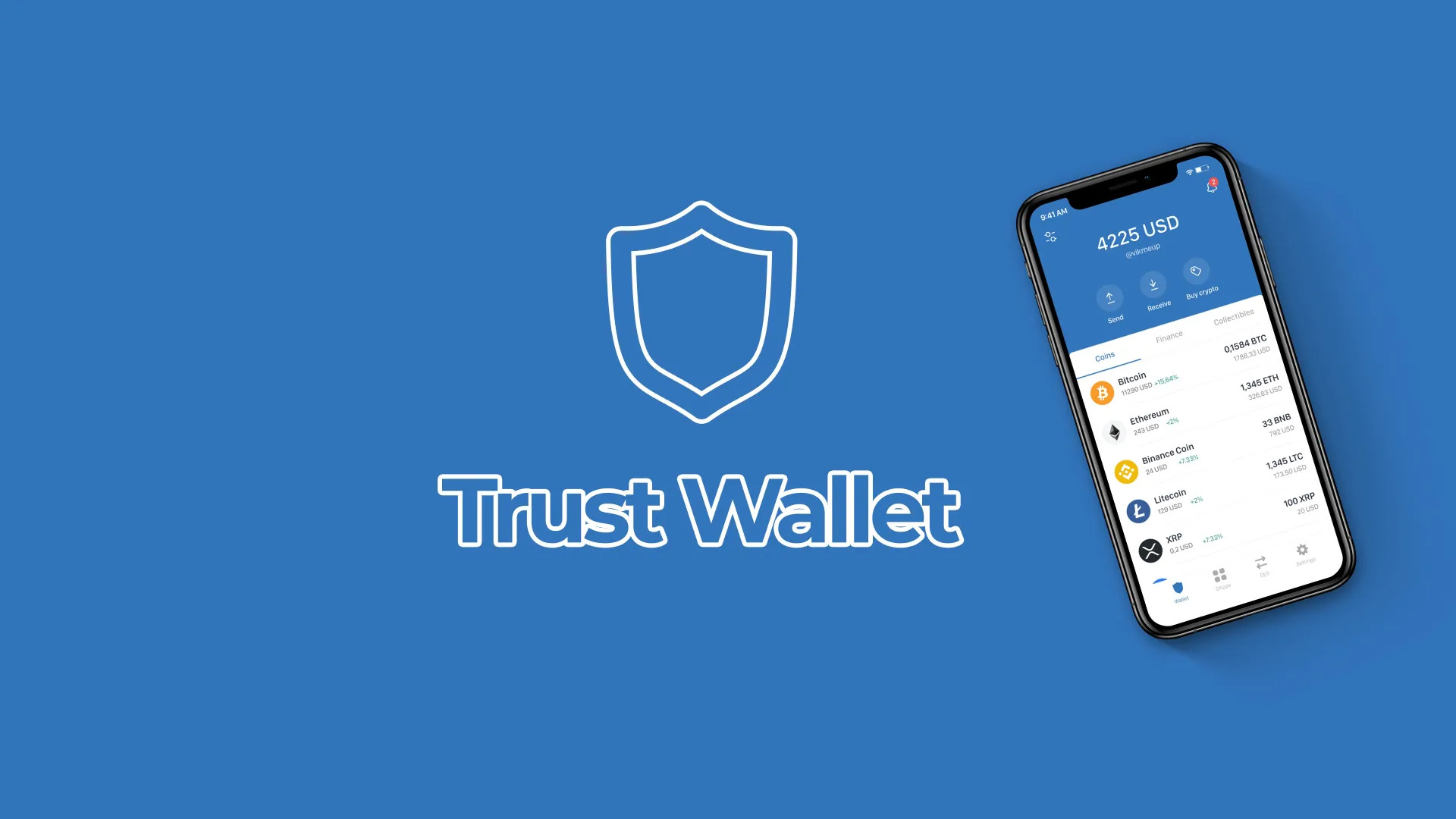
Check this out—I’ve been using and recommending solutions that combine a wallet with a built-in tracker, and one that stood out was truts wallet for its clean multi-chain interface and sensible permission model. It made me less likely to make dumb approvals at 2 AM. Seriously, sometimes the simplest change—like clearer confirmation screens—stops expensive mistakes.
Security-wise, look for hardware-wallet compatibility or strong mnemonic handling, and avoid anything that uploads private keys to a server. Also, value clear transaction logs: you want to trace an errant outflow back to the approving dapp in two clicks. That traceability is part of good operational hygiene.
Practical Tips: How I Set Up My Multi-Chain Tracking Station
First, consolidate the essentials. Pick one browser extension wallet for daily interactions, and connect a hardware device for high-value moves. Short sentence. Use the extension’s portfolio tracker only as a primary view; cross-check occasionally with on-chain explorers and those aggregate protocol dashboards when in doubt. Don’t trust a single source blindly—double-check.
Second, label things. Name your accounts for purpose: «Hot Spending,» «Dex Trades,» «Long-Term Staking.» That micro-organization cuts cognitive load. You’ll thank yourself months later when you’re reconciling a surprise token airdrop or a small swap that triggered another contract call.
Third, set alerts for big moves. Alerts catch flash loan issues and rug-like behavior early. Seriously—alerts saved me from one nasty surprise where a liquidity pool slugged my position during a rebase event. My fingers hovered over the confirm button, then I noticed the alert and paused. Saved me from a cheap but painful mistake.
Fourth, audit permissions regularly. Browser extensions let dapps ask for sweeping allowances; revoke approvals you don’t need. A few minutes of pruning prevents long-term exposure. There’s no glamorous headline here, just good maintenance work.
When the Tracker Lies (and How to Fix It)
Sometimes numbers don’t line up. Really. Balances can be stale because the indexer lags, or a token’s contract uses nonstandard hooks, or a bridge didn’t finalize properly. My instinct used to be panic. Now I check three things: on-chain balances, pending transactions, and whether the token uses transfer hooks. That quick audit usually explains the discrepancy.
Also, wallets and trackers differ in price feeds. If your PnL looks wildly off, compare the feed source. Slightly different oracles give slightly different results. It’s annoying. But it’s manageable. If a tool shows persistent mismatches, switch trackers for that asset or report it—good projects fix these quickly.
And yeah, sometimes providers fail. Downtime happens. When it does, you still have on-chain truths. Keep a lightweight spreadsheet backup of your most critical addresses and holdings. Call me old-school, but I like that backup. It feels like insurance.
Common Questions
How many wallets should I use?
Two or three. One for daily browsing (the extension), one for larger holdings on a hardware device, and optionally one for experimental trades. This split reduces risk surface and keeps things compartmentalized.
Are browser extensions safe?
They can be, but safety depends on design and user habits. Choose well-reviewed extensions with clear permission controls, enable hardware-wallet support when possible, and avoid pasting private keys into websites. Trust but verify—always.
What makes a portfolio tracker trustworthy?
A transparent data model (how it reads balances), clear oracle sources, frequent updates, and an active team that responds to reporting. Bonus points for open-source components and community audits—those help a lot.