
Okay, so check this out—I’ve been messing with browser wallets for years. Wow!
At first glance they all look the same: an icon, a seed phrase, and a bunch of permissions. My instinct said «yep, another clone» but then I dug in a little deeper. Initially I thought usability would be the big divider, but actually security ergonomics were the surprising winner for me. On one hand ease-of-use matters; on the other hand, one mistake can cost real money, though actually the balance between those two is tougher than it looks.
Whoa! The first time Rabby popped up on my workflow I was like, huh. Seriously?
The UI felt intentionally simple without being dumbed-down. Something felt off about the cavalier trust some wallets ask for—Rabby’s prompt style is less pushy. My gut said it protects you from common mistakes, and then I tested that feeling against real interactions with dApps and approvals. I ran it side-by-side with other extensions and noticed fewer accidental full-account approvals when I used Rabby.
Hmm… there are quirks that bug me, and I’m biased, but those quirks are mostly positives. Wow!
For power users Rabby offers account grouping, gas presets, and transaction simulation rails that actually reduce dumb mistakes. A medium user will appreciate the clean transaction review that highlights contracts versus simple token transfers. For newcomers there are friendly nudges and explanations that don’t condescend, which is rare in crypto tools. On the technical side the wallet isolates RPCs and isolates approvals so fewer sites get blanket access to everything you hold.
Really? The extension model still bugs me sometimes (permissions, y’know). Whoa!
But Rabby adds fine-grained approval flows that force a pause before signing complex interactions. Initially I assumed those were just UI theatrics, but then I saw them prevent a risky approval while I was distracted. Actually, wait—let me rephrase that: the pause saved me from an avoidable mistake, not a catastrophic exploit, but still a real time-saver. That kind of pragmatic safety is what separates thoughtful wallet design from checkbox design.
Short aside: I keep a list of tiny annoyances other wallets have. Wow!
Some wallets hide gas fields behind advanced tabs; some show cryptic calldata without context; others are slow as molasses on mainnet congestion. Rabby doesn’t fix every single pain point, though it trims many of them. For example, its gas presets are sensible defaults with room to tweak, which matters during sudden network spikes when you either overpay or miss a critical transaction window.
Whoa! I tested swaps and approvals on multiple chains and gave Rabby a stress test. Hmm…
The extension handled multi-chain contexts gracefully and it kept my active sessions isolated per site, which is a practical privacy win. My instinct said this would be resource-heavy but Rabby stayed surprisingly lean. On deeper analysis, the engineering trade-offs—like local caching and scoped permissions—make sense and reduce attack surface without sacrificing speed. I’m not 100% sure about some edge RPC behaviors, but those are rare.
Here’s what bugs me about most wallets: they assume users know contract-level distinctions. Wow!
Rabby’s transaction breakdown tries to demystify that by showing intent and potential consequences in plain language. On one hand plain language can oversimplify; on the other hand it’s often what beginners need to avoid fatal mistakes. I saw that balance hit well in Rabby—clear enough for new folks, detailed enough for pros who want to inspect the calldata manually.
Okay, real talk—privacy is messy in browser contexts. Whoa!
Rabby doesn’t wave a magic privacy flag, but it reduces unnecessary data leaks by limiting RPC exposure and grouping approvals. My personal preference: minimize third-party RPCs, but Rabby gives flexible options so you can use your own node or a trusted provider. I like that control. It’s one of those things you appreciate after you lose a tiny bit of privacy here and there and start caring about the cumulative effect.
Hmm… something about the onboarding felt human. Wow!
They include clear warnings about phishing and show the seed phrase flow with checks that actually matter. I’m biased toward wallets that educate during setup; Rabby nudges you to verify addresses and test small transactions before big ones. That habit saved me from a sloppy move once (I transferred a token to a wrong chain—ugh), and Rabby’s clear prompts would have likely prevented that.
On the engineering side Rabby supports transaction simulation and shows estimated outcomes. Whoa!
Transaction simulation used to be a luxury; now it’s table stakes if you’re moving serious funds. The simulations aren’t perfect—they can’t predict nanoseconds of MEV or failed state changes caused by on-chain competition—but they give a reasonable sanity check. Initially I thought simulations would slow everything down, but Rabby’s implementation is efficient enough that my workflow wasn’t interrupted.
Short note: compatibility matters more than cool features. Wow!
Rabby plays nicely with popular dApps and has a sensible approach to custom tokens and custom networks, which is crucial for folks experimenting on testnets or smaller L2s. I ran some obscure token approvals and the wallet made it straightforward to inspect, revoke, or manage permissions later on. That lifecycle management—seeing past approvals and revoking them—is something I use weekly, not just once during setup.
Here’s the thing: if you want to try it, do your due diligence. Whoa!
Download from a verified source, verify extension signatures, and keep your seed phrase offline. I’m not here to preach—I’m telling you what I actually do. If you’re curious and want to jump in, check out rabby wallet as a starting point and see if it fits your habits and threat model.
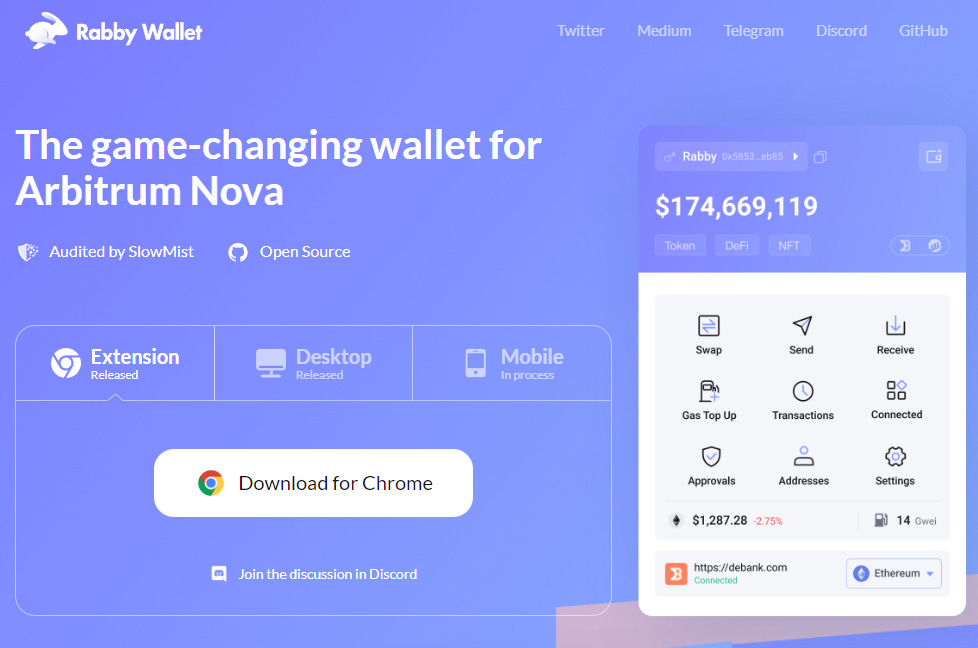
How I use Rabby in my daily DeFi routine
I keep one account for small experiments and another cold-stored account for larger positions. Wow!
Rabby’s account grouping and quick switch make that workflow painless, and the transaction previews reduce dumb mistakes when I interact with new dApps. Initially I had simple rules—test, approve, move—but over time I evolved them into a clearer process that Rabby’s UI supports. On the rare occasion I need to dig into calldata, Rabby doesn’t hide that option, which I appreciate.
FAQ — common questions I get asked
Is Rabby safe for everyday DeFi?
Short answer: yes for many users. Whoa! It adds practical safety features like scoped approvals and transaction simulation that lower common risks. I’m not claiming it’s bulletproof—no browser extension is—but as part of a layered approach it’s a strong choice.
Can I use Rabby across multiple chains?
Yes. Wow! It supports multiple networks and gives you control over RPCs and gas settings so you can manage assets across L1s and L2s without juggling multiple wallets. That said, always verify network settings and contract addresses when adding custom networks.
Where should I download Rabby?
Get it from the official channel to avoid imposters. Seriously? If you’re ready, start at this link: rabby wallet and verify the extension metadata before installing.